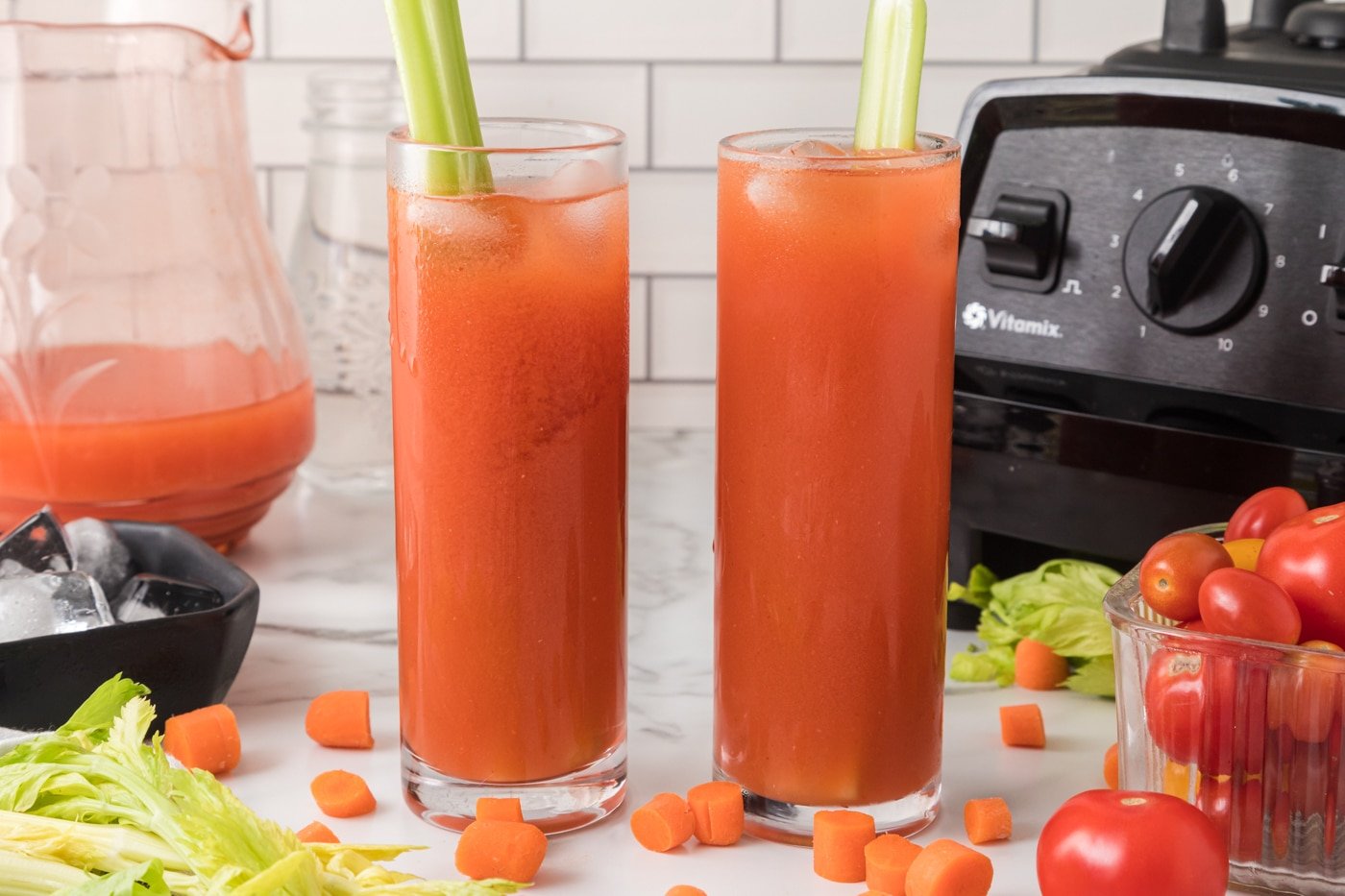
DIY Tomato Juice: Safe Canning Tips for Your Seasonal Harvest
The abundance of ripe, sun-kissed tomatoes during peak season is a sight to behold – and a culinary opportunity not to be missed. While enjoying them fresh is always a treat, transforming a bountiful harvest into homemade tomato juice offers a year-round taste of summer. This isn't just about preserving food; it's about capturing peak flavor, controlling ingredients, and adding a versatile, nutrient-rich staple to your pantry. Learning how to make tomato juice from scratch has surged in popularity, driven by a desire for healthier, less-processed options and the simple satisfaction of DIY.Why Make Your Own Tomato Juice? Beyond the Basics
The decision to make your own tomato juice goes far beyond mere nostalgia; it’s a conscious choice for health, flavor, and practicality. Unlike many commercial varieties, homemade juice is typically unfiltered, minimally processed, and free from added sugars, artificial thickeners, or preservatives. One of the most compelling reasons is nutrient optimization, particularly concerning lycopene. This powerful red carotenoid, responsible for tomatoes’ vibrant hue, is more bioavailable (better absorbed by the body) when tomatoes are cooked and consumed with a little fat. So, while raw tomato juice is refreshing, lightly cooking your tomatoes for juice creation actually enhances this health benefit. Furthermore, making your own allows complete control over sodium levels, a significant advantage for those monitoring their dietary intake. Homemade tomato juice is incredibly versatile. It’s not just for a refreshing glass or a zesty Bloody Mary. Think of it as a foundational ingredient:- Soup Base: The perfect starting point for hearty tomato soups, minestrone, or gazpacho.
- Sauces & Stews: A fantastic liquid component for chili, pasta sauces, or braised dishes, adding depth of flavor.
- Daily Hydration: A nutrient-dense beverage that contributes to your daily vegetable intake.
Selecting the Perfect Tomatoes for Your Juice
The quality of your juice begins with the quality of your tomatoes. For the best flavor and texture, always choose ripe, healthy tomatoes. While many varieties work well, some are particularly suited for juicing:- Roma (Plum) Tomatoes: These are often a top choice due to their meaty texture, fewer seeds, and lower water content, resulting in a thicker juice with concentrated flavor.
- Beefsteak Tomatoes: Large and juicy, Beefsteaks offer a robust tomato flavor.
- Tomatoes on the Vine: These are typically picked at peak ripeness, ensuring excellent flavor.
- Heirloom Varieties: While they can vary widely in flavor and texture, many heirlooms offer complex, rich notes that make for exceptional juice.
- Grape or Cherry Tomatoes: If you're seeking a sweeter juice, these smaller varieties can deliver a delightfully vibrant and naturally sweet profile.
How to Make Tomato Juice: A Step-by-Step Guide
Making your own tomato juice is a straightforward process that yields incredibly rewarding results. Here's a comprehensive guide to transform your ripe tomatoes into delicious juice:- Wash and Prepare Tomatoes: Thoroughly wash your ripe tomatoes under cool running water. Remove the stems and core any tough parts. For easier cooking and processing, cut larger tomatoes into quarters or smaller pieces. You don't need to peel them at this stage; the skins will be removed during straining.
- Simmer to Soften: Place the chopped tomatoes in a large, heavy-bottomed pot. Add just enough water to prevent scorching at the bottom (a splash or two, typically less than half a cup, is often sufficient, as tomatoes release a lot of their own liquid). Bring to a simmer over medium heat, then reduce the heat to low, cover, and let them cook gently for 20-30 minutes, or until the tomatoes are very soft and have broken down significantly. Stir occasionally to prevent sticking. This cooking process is vital; it not only softens the tomatoes for easier straining but also helps to unlock beneficial lycopene.
- Process and Strain: This is where the magic happens, separating the smooth juice from the solids.
- Food Mill: A food mill is arguably the easiest and most efficient tool. Simply pass the cooked tomatoes through the mill, which separates the pulp from the skins and seeds.
- Sieve/Colander: Alternatively, you can press the cooked tomatoes through a fine-mesh sieve or a colander using the back of a spoon or a sturdy spatula. This method requires a bit more effort.
- Blender (with caution): While you could blend the cooked tomatoes, you would still need to strain the purée through a fine-mesh sieve to achieve a smooth, "juice-like" consistency, free of skins and seeds. Blending raw tomatoes will produce a thicker, less refined product unless strained extensively.
- Season to Taste: Pour the strained tomato juice back into a clean pot. Bring it to a gentle simmer. Now is the time to add basic seasonings. A simple combination of salt and freshly ground black pepper is classic. For an enhanced flavor profile, consider:
- A pinch of celery salt
- A dash of onion or garlic powder
- A sprig of fresh basil during the final simmer
- A very small amount of sugar if your tomatoes are particularly tart
- Final Simmer (Optional): If your juice is thinner than desired, you can simmer it gently, uncovered, for another 15-30 minutes to reduce it slightly and concentrate the flavor.
Safe Canning Tips for Long-Term Preservation
Once you've mastered Homemade Tomato Juice: Preserve Freshness & Boost Lycopene, the next step is to ensure it stays fresh and safe for long-term storage. Canning is an excellent method, but it requires adherence to specific safety guidelines, especially regarding acidity.The Critical Role of Acidity:
Tomatoes, while often thought of as acidic, can vary significantly in their natural pH levels. Some varieties, especially low-acid ones or those grown in certain conditions, may not be acidic enough to be safely processed in a boiling water bath alone. To eliminate the risk of botulism, a serious foodborne illness, it is absolutely essential to add an external acid to your tomato juice before canning.Approved Acidification Methods (Choose ONE):
- Bottled Lemon Juice: This is the most common and recommended method. Crucially, you must use bottled lemon juice, not fresh. Bottled lemon juice has a consistent, standardized acidity level, whereas the pH of fresh lemons can vary.
- Add 2 tablespoons of bottled lemon juice per quart jar.
- Add 1 tablespoon of bottled lemon juice per pint jar.
- Citric Acid: Another reliable option, offering a neutral flavor.
- Add 1/2 teaspoon of citric acid per quart jar.
- Add 1/4 teaspoon of citric acid per pint jar.
Boiling Water Bath Canning Process:
This method is suitable for high-acid foods (which your acidified tomato juice now is).- Prepare Jars and Lids: Wash canning jars, lids, and bands in hot, soapy water. Sterilize jars by submerging them in boiling water for at least 10 minutes. Keep jars hot until ready to fill. Lids do not need to be boiled for sterilization anymore, but heating them in simmering water can help activate the sealing compound.
- Heat Juice: Ensure your homemade tomato juice is simmering hot (at least 180°F / 82°C) when you're ready to fill the jars.
- Fill Jars: Place the measured bottled lemon juice or citric acid into each hot jar. Ladle the hot tomato juice into the jars, leaving 1/2 inch of headspace (the space between the top of the juice and the rim of the jar).
- Remove Air Bubbles: Use a non-metallic utensil (like a plastic chopstick or canning bubble remover) to gently remove any trapped air bubbles from the jars. Adjust headspace if necessary.
- Wipe Rims and Apply Lids: Wipe the rims of the jars clean with a damp cloth to ensure a proper seal. Center a hot lid on each jar, then screw on the bands finger-tight (do not overtighten).
- Process in Water Bath: Carefully place the filled jars into a boiling water canner, ensuring they are fully submerged by at least 1 inch of water. Bring the water to a rolling boil.
- For pints, process for 35 minutes.
- For quarts, process for 40 minutes.
- Adjust processing time for altitude if you live above 1,000 feet.
- Cool and Check Seals: After processing, turn off the heat and let the jars sit in the canner for 5 minutes before carefully removing them to a wire rack. Allow them to cool undisturbed for 12-24 hours. Check seals by pressing the center of each lid; if it doesn't flex, the jar is sealed. Remove bands, wipe jars, label, and store in a cool, dark place. Unsealed jars should be refrigerated and consumed within a few days.
