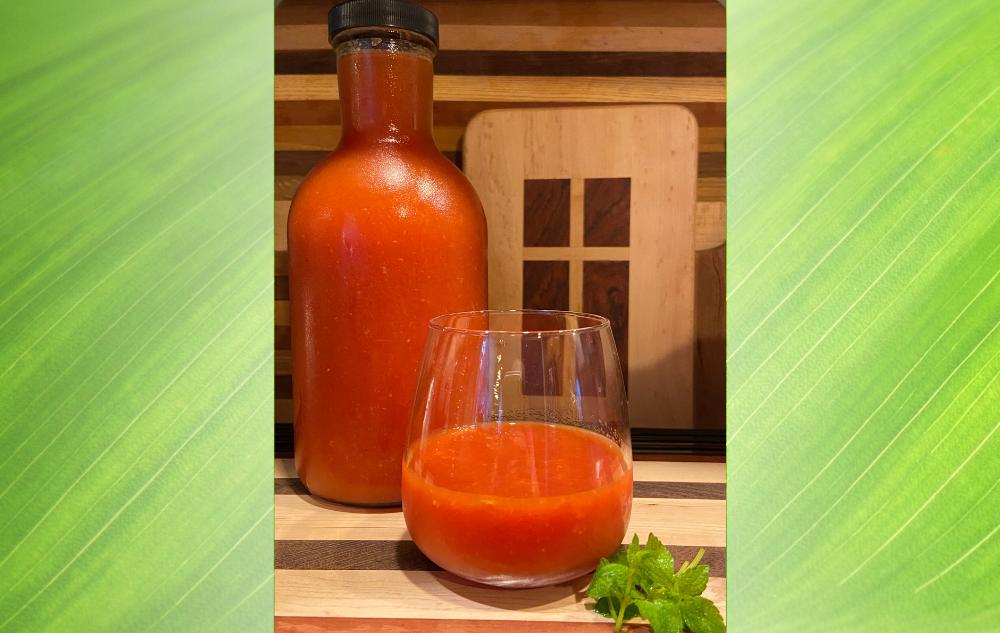
Unlock Flavor & Nutrition: Your Guide to Making Tomato Juice
The humble tomato, bursting with summer sunshine, offers a bounty beyond just salads and sauces. For a growing number of home cooks, it's becoming the star ingredient in a quest for wholesome, homemade tomato juice. Far from a mere novelty, crafting your own tomato juice is a deeply intentional culinary practice that aligns perfectly with a focus on nutrition, sodium control, and seasonal food preservation. If you've ever wondered how to make tomato juice that’s truly superior to its store-bought counterparts, you’re in the right place. Homemade tomato juice is a revelation. It's an unfiltered, minimally processed liquid gold, extracted from ripe tomatoes through a simple process of cooking, crushing, and straining. Unlike commercial versions, your homemade batch will be free from artificial preservatives, added sugars, or thickeners, giving you complete control over what goes into your body. This isn't just about nostalgia; it’s about embracing a functional, nutrient-conscious kitchen habit that allows you to savor the taste of peak-season tomatoes year-round.Why Make Your Own Tomato Juice? Unlocking Flavor & Nutrition
The shift towards making tomato juice from scratch is driven by several compelling benefits:- Unparalleled Freshness and Flavor: Store-bought juices often undergo extensive processing, diminishing their vibrant taste. Homemade juice, made from ripe, fresh tomatoes, captures their true essence – a robust, sweet, and slightly tangy flavor that’s simply unmatched.
- Complete Control Over Ingredients: Concerned about sodium intake or artificial additives? When you make your own, you dictate every ingredient. You can opt for a low-sodium version, choose organic tomatoes, and skip any unwanted preservatives or sugars.
- Boosted Lycopene Bioavailability: Tomatoes are renowned for their lycopene content, a powerful antioxidant. Interestingly, research indicates that lycopene is more readily absorbed by the body when tomatoes are cooked, and its absorption is further enhanced in the presence of a little fat. The simmering process involved in making tomato juice significantly boosts this bioavailability, making your homemade juice a nutritional powerhouse.
- Seasonal Preservation and Cost Savings: When your garden overflows or you find an abundance of ripe tomatoes at the farmer’s market, making juice is an ideal way to preserve them. Freezing or canning ensures you have a supply of this healthy beverage or versatile cooking ingredient ready for any season, often at a fraction of the cost of commercial options.
Choosing the Best Tomatoes for Peak Juice Quality
The foundation of exceptional tomato juice lies in selecting the right tomatoes. Aim for ripe, flavorful varieties – the riper, the better, as this translates to sweeter, more concentrated juice. Here are some excellent choices:- Red Tomatoes on the Vine: These commonly available tomatoes offer a balanced flavor profile and good juicing consistency.
- Roma (Plum) Tomatoes: Known for their meaty flesh and lower water content, Romas produce a thicker, richer juice. They are also easier to process due to fewer seeds and less pulp.
- Beefsteak Tomatoes: Large and flavorful, Beefsteaks yield a substantial amount of juice with a robust taste.
- Heirloom Tomatoes: While they come in various shapes and colors, many heirloom varieties offer complex, intense flavors that translate beautifully into unique juice.
- Cherry or Grape Tomatoes: If you're seeking a sweeter juice, these smaller varieties are an excellent option. They do require a bit more effort in processing due to their size but deliver a delightful sweetness.
Step-by-Step Guide: How to Make Tomato Juice at Home
Making your own tomato juice is a straightforward process that rewards you with fresh, healthy goodness. Here's a detailed breakdown of how to make tomato juice:Basic Preparation: Wash, Core, Chop
Begin by thoroughly washing your ripe tomatoes under cool running water. Remove any stems and core out the tough part where the stem was attached. Depending on their size, chop your tomatoes into quarters or smaller chunks. There's no need to peel them at this stage; the skins will soften during cooking and be removed during straining.Simmering for Flavor & Lycopene Release
Place your chopped tomatoes into a large, heavy-bottomed pot or Dutch oven. You don't need to add water initially, as the tomatoes will release their own liquid as they heat up. Bring the tomatoes to a gentle simmer over medium heat, then reduce the heat to low, cover, and let them cook for 20-30 minutes, or until they are very soft and pulpy. Stir occasionally to prevent sticking. This simmering process is crucial not only for softening the tomatoes but also for enhancing the bioavailability of their beneficial lycopene.Straining for Smoothness
This is where you transform your cooked tomatoes into smooth juice. There are a few effective methods:- Food Mill: This is arguably the easiest and most efficient method. Pass the cooked tomatoes through a food mill fitted with a fine screen. The mill will separate the pulp and juice from the skins and seeds, leaving you with a silky-smooth liquid.
- Fine-Mesh Sieve or Colander: If you don't have a food mill, press the cooked tomatoes through a fine-mesh sieve or colander using the back of a ladle or a sturdy spoon. This requires a bit more elbow grease but is perfectly effective. You may need to do this in batches.
- Blender (with subsequent straining): For those who prefer a slightly thicker consistency, you can blend the cooked tomatoes until smooth. However, to achieve a true "juice" texture (rather than a thick purée), you will still need to pass this blended mixture through a fine-mesh sieve or a cheesecloth-lined colander to remove any remaining bits of skin or seeds.
Seasoning Your Homemade Batch
Now it's time to infuse your juice with flavor. Return the strained juice to a clean pot and bring it to a gentle simmer. Add salt and freshly ground black pepper to taste. Start with small amounts, perhaps 1 teaspoon of salt and 1/2 teaspoon of pepper per gallon of juice, then taste and adjust. You can also experiment with other seasonings to suit your palate:- A pinch of sugar to balance acidity.
- Garlic powder or onion powder for savory depth.
- Fresh or dried herbs like basil, oregano, or parsley.
- A dash of hot sauce or a pinch of cayenne pepper for a kick.
Preserving Your Homemade Tomato Juice: Extend the Harvest
Refrigeration
For immediate use, store your fresh tomato juice in airtight containers or bottles in the refrigerator. It will typically stay fresh for up to 3-5 days.Freezing
Freezing is an excellent long-term storage option for tomato juice. Pour the cooled juice into freezer-safe containers, leaving about an inch of headspace to account for expansion. You can use plastic containers, freezer bags (laid flat), or even ice cube trays for smaller, individual portions. Frozen tomato juice can maintain its quality for up to 12 months. Thaw in the refrigerator before use.Safe Canning Practices
Canning is a fantastic way to store tomato juice for over a year, making it shelf-stable. However, due to the variable acidity of fresh tomatoes, it’s crucial to add an acidifier to ensure safety for boiling water bath canning.According to USDA guidelines, you must add either bottled lemon juice or citric acid to each jar before processing. The acidity level in bottled lemon juice is consistent, making it safer than fresh-squeezed lemon juice, which can vary. Add 2 tablespoons of bottled lemon juice or 1/2 teaspoon of citric acid to each quart jar, or 1 tablespoon of bottled lemon juice or 1/4 teaspoon of citric acid to each pint jar. Place the acidifier directly into the clean jars before filling them with hot tomato juice.
Fill your prepared jars with hot tomato juice, leaving 1/2 inch of headspace. Wipe the rims, apply lids, and screw on bands finger-tight. Process the jars in a boiling water bath canner for the recommended time (typically 35 minutes for pints and 40 minutes for quarts at altitudes up to 1,000 feet – always consult up-to-date canning guidelines for specific times and altitude adjustments). For detailed instructions and critical safety considerations, refer to our comprehensive guide on DIY Tomato Juice: Safe Canning Tips for Your Seasonal Harvest.
Creative Ways to Enjoy Your Homemade Tomato Juice
Your freshly made tomato juice is incredibly versatile. Here are just a few ideas for how to enjoy it:- A Refreshing Drink: Enjoy it chilled on its own for a nutrient-dense hydration boost.
- Savory Cocktails: It's the perfect, fresh base for a classic Bloody Mary or a Virgin Mary. Add a celery stalk, a lemon wedge, and your favorite spices.
- Soup Foundations: Use it as a base for hearty tomato soup, minestrone, or gazpacho. Its rich flavor will elevate any recipe.
- Sauces and Stews: Substitute homemade tomato juice for canned tomatoes or tomato purée in pasta sauces, chili, braised meats, or vegetable stews for a fresher, brighter flavor.
- Healthy Smoothie Base: Blend with other vegetables like celery, spinach, or cucumber for a super-healthy green juice.
